Multilingual Parenting
  • Home
  • Contact
  • About
  • Books
    • Diary of a Bilingual Mother
    • Bringing Up a Bilingual Child
  • Services
  • Articles
  • Q&A
    • Q&A Sessions
    • Contributors
    • Q&A Library
  • Projects
    • Bilingual Family
    • Multicultural Kid Blogs
    • Raising Multilinguals Live
    • Other Collaborations
  • Videos + Podcasts
Select Page
Subscribe to our Newsletter and get a FREE copy of "How to Raise Confident Multicultural Children"

language exposure

  • Q&As
    • Q&A Being the parent in a multilingual family
    • Q&A Choosing the right family language strategy
    • Q&A How to motivate a bilingual / multilingual child to speak a family language
    • Q&A Moving to another country with a bilingual / multilingual child
    • Q&A The trilingual+ child
    • Q&A When a bilingual / multilingual child goes to school
  • Articles
    • Being the parent in a multilingual family
    • Choosing the right family language strategy
    • How to motivate a bilingual / multilingual child to speak a family language
    • Moving to another country with a bilingual / multilingual child
    • The trilingual+ child
    • When a bilingual / multilingual child goes to school
  • Children by age
    • Babies
    • Toddlers
    • School-aged children
    • Teenagers
  • Challenges
  • Language and bilingualism
    • Language
    • Language development
    • Literacy
    • Bilingualism
    • Bilingual benefits
    • Myths
    • Only happens to a bilingual
    • Non-native language
    • Recommended reading
  • Multilingual family
    • Single parent
    • Majority language parent
    • Siblings
    • Grandparents
    • Families across he world
  • In other languages
    • Catalan
    • Chinese (Simplified)
    • Chinese (Traditional)
    • Czech
    • Estonian
    • Finnish
    • French
    • German
    • Greek
    • Hungarian
    • Irish
    • Italian
    • Persian
    • Polish
    • Portuguese (Brazilian)
    • Romanian
    • Slovak
    • Spanish
    • Swedish
    • Ukrainian
Why some children do not become bilinguals, but yours still can

Why some children do not become bilinguals, but yours still can

by Rita | Feb 9, 2013 | Being the parent in a multilingual family, Challenges, Family life, Practical advice

“Today’s kids don’t want to learn our language”, “Once they go to school it will all be out of the window”, “We really tried but our children just didn’t want to know”. Probably every bilingual person knows parents who have not been successful in passing on their...

The amazing abilities of babies learning languages

The amazing abilities of babies learning languages

by Rita | Feb 3, 2013 | Babies, Being the parent in a multilingual family, Bilingual benefits, Only happens to a bilingual

[ted id=1075] Today I want to share with you a talk by Patricia Kuhl, Professor of Speech and Hearing Sciences at the University of Washington. It is a fascinating insight into how small babies pick up distinct features of a language. The talk only lasts about ten...

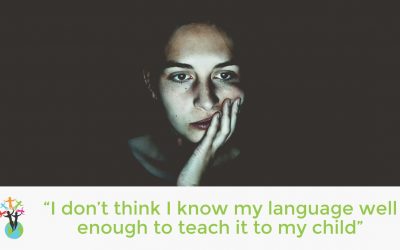
“I don’t think I know my language well enough to teach it to my child”

“I don’t think I know my language well enough to teach it to my child”

by Rita | Feb 1, 2013 | Being the parent in a multilingual family, Challenges, Practical advice

If you are a parent and a second or later generation immigrant to a country you may have concerns about your own knowledge of the language you want to pass on to your children. Maybe the language use in the family while you were growing up wasn’t that consistent....

Next Entries »
  • Follow
  • Follow
  • Follow
Amazon disclosure
multilingualparenting.com is a participant in the Amazon Services LLC Associates, Amazon UK and Amazon DE Programs, affiliate advertising programs designed to provide a means for sites to earn advertising fees by advertising and linking to amazon.com, amazon.co.uk and amazon.de.

© 2012-2026 multilingualparenting.com | Privacy Policy | Terms of Service

Disclaimer

We try to make the advice on our website www.multilingualparenting.com as useful and reliable as possible. However, the purpose is to provide parents and carers with general guidance and useful tips only. It doesn’t necessarily deal with every important topic or cover every aspect of the topics with which it deals and might not be relevant or appropriate in all circumstances. It is not designed to provide medical advice and should not be relied on as such. The offered advice is for general information and should never be used as a substitute for taking medical advice for specific conditions. Please consult your paediatrician or therapist with such queries. To the extent permitted by law, we accept no responsibility (including loss, damage or injury) for your use of the advice on our website. For further details please refer to our Terms of Service.